The Theme for Japan-Africa Cardiology Symposium 2027
金継ぎ
Kintsugi: The Art of Golden Repair
In the ancient Japanese art of Kintsugi, broken ceramics are not discarded or concealed. Instead, they are meticulously repaired with lacquer dusted in pure gold. The fractures, once seen as flaws, become the most radiant and celebrated part of the piece. Every crack is honoured, every break transformed into a shimmering vein of strength and beauty. The object does not return to its original form. It emerges more valuable, more resilient, and more profoundly itself.
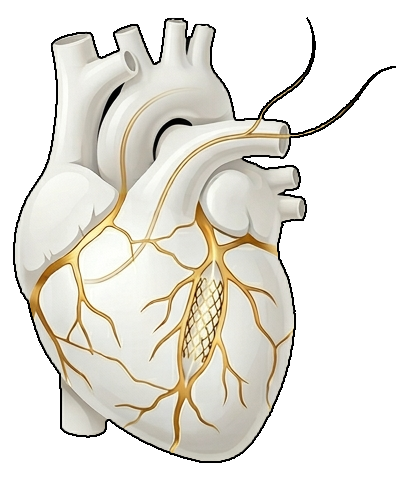
Cardiology, and particularly interventional cardiology, is the living embodiment of this philosophy. Every day, in cath labs across the world, we confront the fractures of the human heart: narrowed, blocked, or damaged vessels; weakened walls; scarred tissue. With precision and skill, we do not hide the damage. We find the break, enter it, and repair it, placing stents that scaffold and strengthen, performing bypasses that reroute life-giving flow, and drawing sutures that bind with care. What was fragile becomes reinforced. What was broken is made not just whole again, but often stronger and more enduring than before.
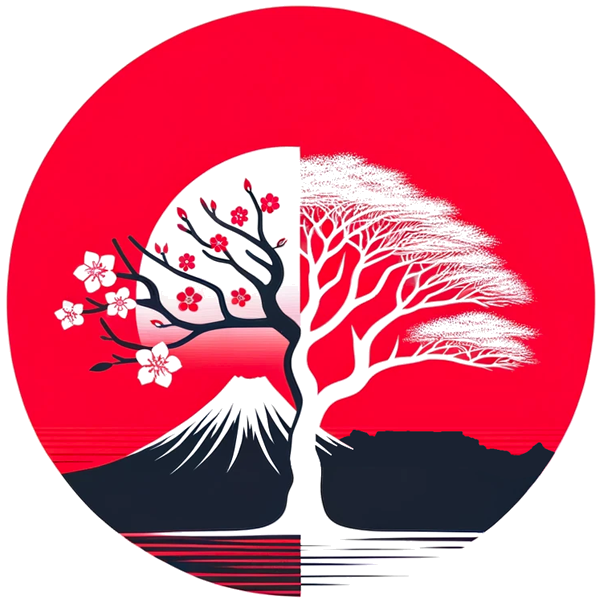
This year, for the Japan-Africa Cardiology Symposium 2027, we draw inspiration from the profound beauty of Kintsugi and invite a powerful dialogue between two great traditions in cardiovascular medicine: the precision, innovation, and disciplined artistry of Japan, and the resilience, creativity, and rich clinical experience of Africa.
When these two continents join their gold, the expertise, the techniques, the cultural wisdom, and the passion of their interventional cardiologists, something extraordinary happens. Fractures in knowledge, in access, in practice, and in collaboration are not ignored or papered over. They are illuminated, honoured, and transformed into new pathways of strength. The result is a field that grows more brilliant, more inclusive, and more capable of healing hearts across the globe.
Just as the golden seams of Kintsugi tell a story of survival and renewal, our shared work in interventional cardiology celebrates the beauty that emerges when we embrace the breaks, in vessels, in systems, and in partnerships, and repair them with skill, respect, and enduring brilliance.
Japan
↔
Africa